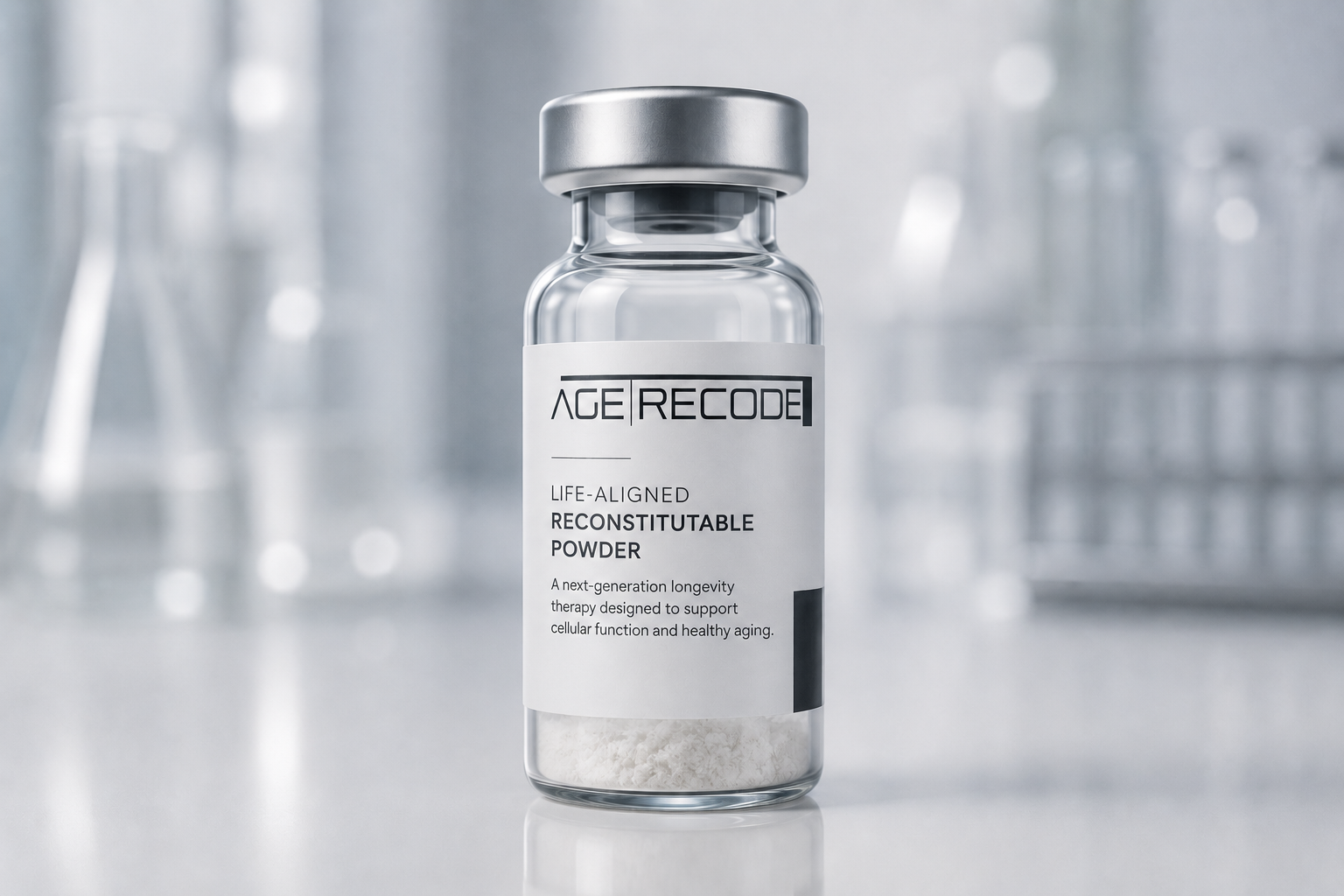
Description
Lypholized powder requiring reconstitution.
Thymalin is an immunomodulatory polypeptide complex derived from the thymus gland of calves, originally developed in the 1970s by researchers at the USSR Institute of Gerontology. It is primarily studied for its potential to stimulate T-cell maturation, restore immune system function, and act as a geroprotective (anti-aging) agent.
How It Works
Thymalin consists of short chains of amino acids (peptides) that act as biological messengers.
- Immune Regulation: It interacts with hematopoietic stem cells, prompting them to differentiate into mature, active T-lymphocytes.
- Gene Expression: The peptides can penetrate cell nuclei and bind to DNA sequences, epigenetically regulating gene expression to reduce inflammation and promote cell renewal.
Potential Benefits & Uses
Research (heavily based on Eastern European studies and animal models) suggests several applications:
- Immune Support: Boosting the body’s ability to fight off viral and bacterial infections.
- Aging & Longevity: Some long-term observational studies in individuals over 60 suggest that periodic administration of thymalin may help mitigate age-related immune decline (immunosenescence) and lower all-cause mortality rates. [1]
- Adjuvant Therapy: It has been historically utilized alongside conventional treatments for severe infections, respiratory illnesses, and immune-suppressed states
Reviews
There are no reviews yet.