
Description
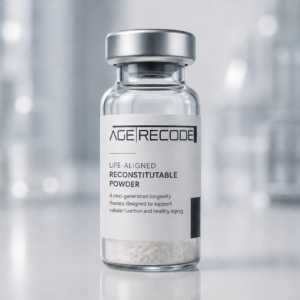
Lypholized powder requiring reconstitution.
Glutathione is a powerful, naturally occurring tripeptide antioxidant composed of three amino acids: cysteine, glutamate, and glycine. Found in almost every human cell—with the highest concentrations in the liver—it defends tissues against oxidative stress, supports immune function, and helps the body process and remove toxins.
Why Glutathione Matters
As the body’s primary “master antioxidant,” glutathione actively mitigates cell damage caused by free radicals. Maintaining optimal levels is critical for:
-
- Detoxification: It binds to heavy metals, pollutants, and metabolic waste, helping the liver flush them from the body.
- Immune Support: It facilitates the growth and function of essential immune cells.
- Cellular Repair: It maintains the redox balance in cells to reduce inflammation and oxidative damage associated with aging and chronic illness.
Natural Levels and Replenishment
While your body synthesizes glutathione on its own, natural production declines with age, stress, alcohol consumption, and exposure to environmental toxins. Because oral glutathione can be poorly absorbed by the digestive system, many people choose to support their levels through lifestyle changes, targeted precursors, or direct supplementation:
- Dietary Precursors: Boost your body’s own production by eating sulfur-rich and glycine-dense foods like cruciferous vegetables (broccoli, cabbage), avocados, spinach, and bone broth.
- Nutrient Cofactors: Vitamins C and E help regenerate and recycle glutathione in the body. N-acetylcysteine (NAC) is often supplemented as it is a direct building block the body uses to synthesize glutathione.
- Supplemental Forms: While pills are common, many experts recommend liposomal formulas or IV (intravenous) drips, which are designed for enhanced absorption
Reviews
There are no reviews yet.