Description
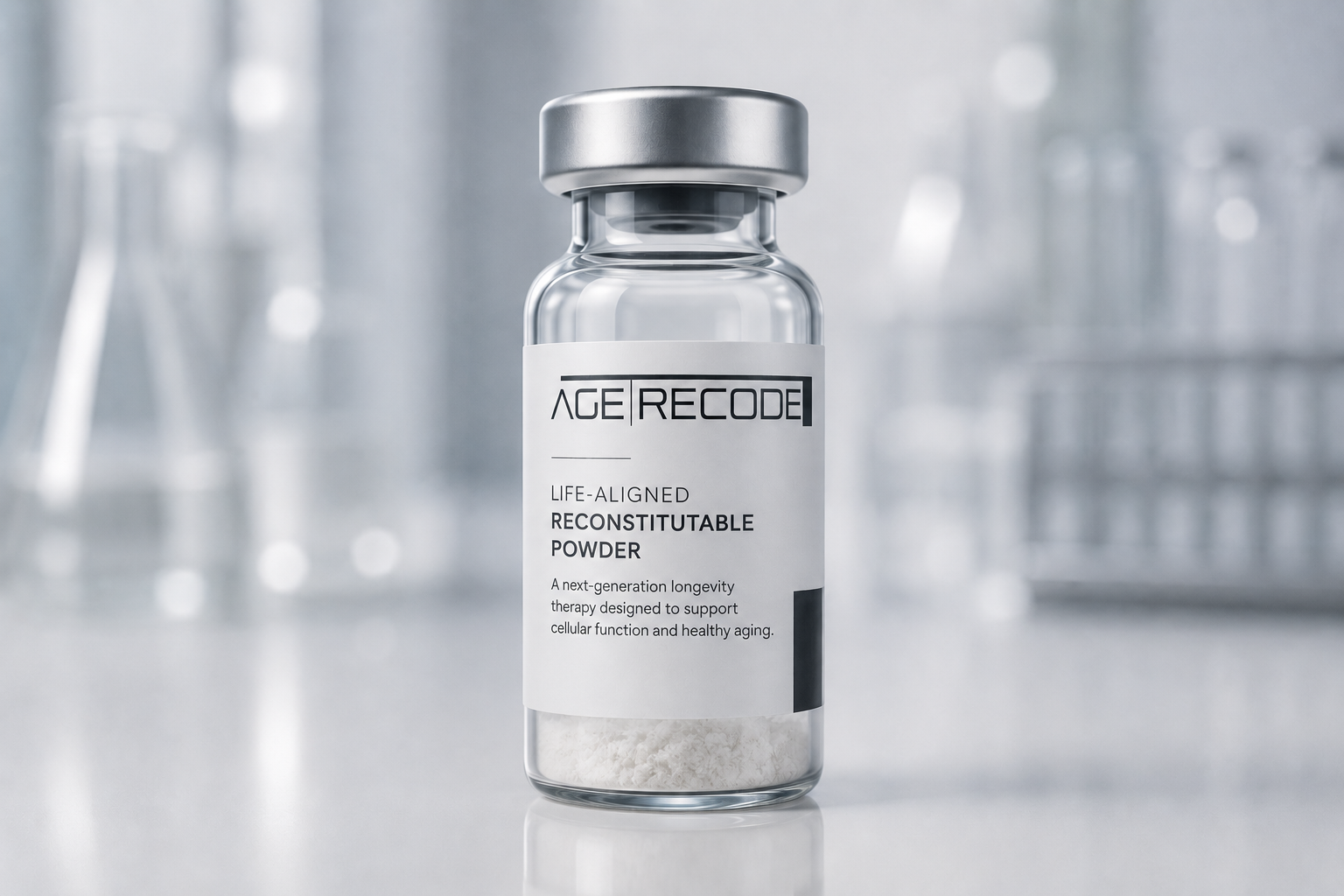
Lypholized poweder form requiring reconstitution.
Cartalax (also known as AED or T-31) is a short synthetic tripeptide composed of alanine, glutamic acid, and aspartic acid. Developed by the Khavinson group in Russia, it is to support cartilage health, joint mobility, and connective tissue regeneration.
How It Works (Proposed Mechanism)
-
- Structural Mimicry: The AED amino acid sequence closely mirrors a segment of the α-1 chain of type XI collagen, which is found in articular cartilage and connective tissues.
- Epigenetic Modulation: As a “bioregulator,” researchers theorize that Cartalax enters cell nuclei, interacts with chromatin, and modulates gene expression to influence structural protein synthesis and cellular maintenance.
- Tissue Repair: It is studied for its ability to regulate extracellular matrix organization and reduce joint inflammation and degradation




Reviews
There are no reviews yet.