Description
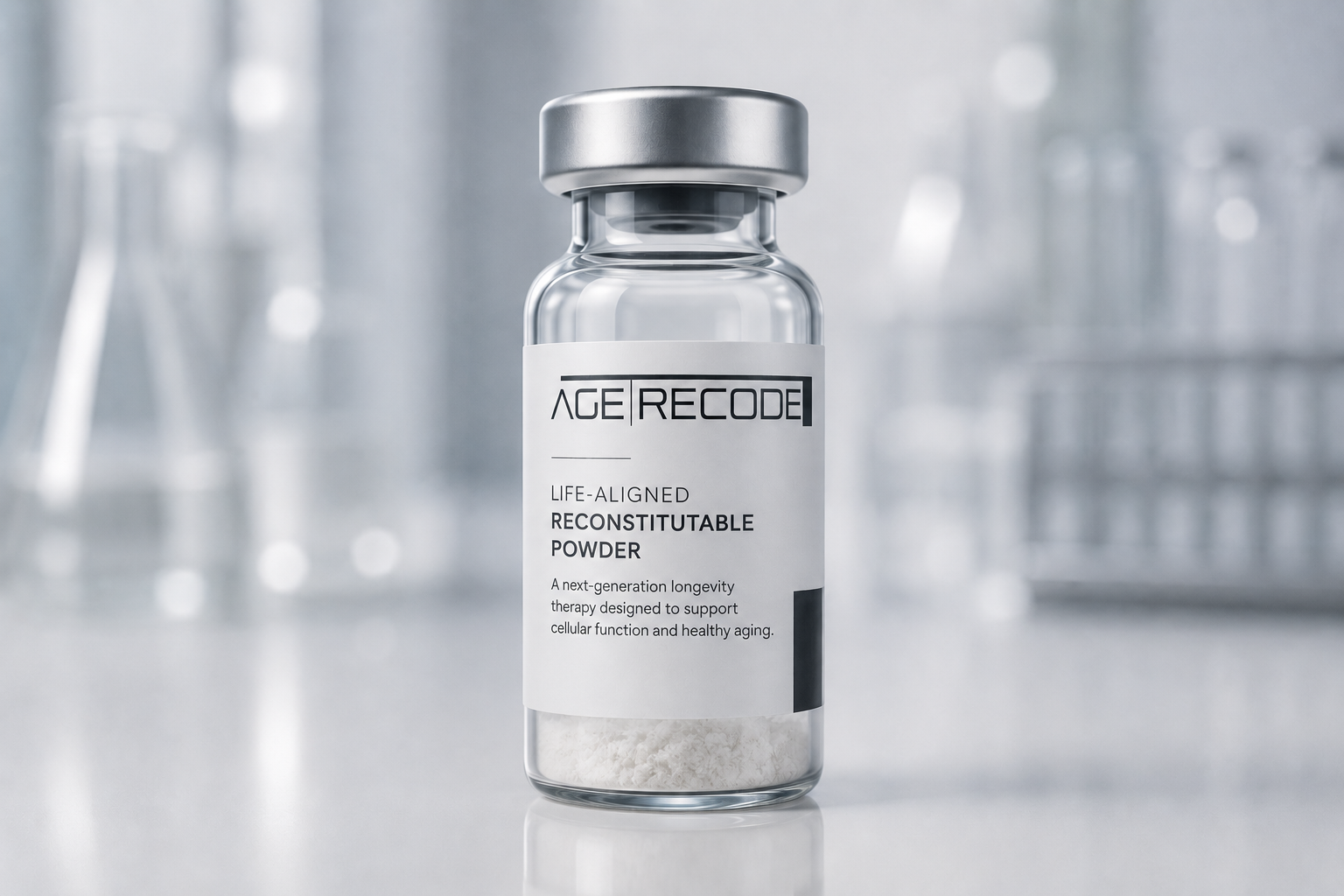
Lypholized powder requiring reconstitution.
BPC-157 and TB-500 are peptides often combined (“stacked”) in regenerative medicine to accelerate injury recovery.
How They Work
-
- BPC-157: Derived from a protective stomach protein, it promotes localized healing by growing new blood vessels (angiogenesis) and reducing inflammation. It is primarily used for tendons, ligaments, and gut repair.
- TB-500: A synthetic fragment of the Thymosin Beta-4 protein. It acts systemically to encourage cell migration, reduce scarring, and improve tissue flexibility across muscles and joints.
Why They Are Stacked
When taken together in separate injections (clinics often call this the “Wolverine Stack”), they offer a two-pronged approach to recovery. BPC-157 provides targeted repair to the specific injury site, while TB-500 boosts full-body circulation and systemic recovery.
Wolverine Blend Peptide Therapy (BPC-157 / TB-500)
If you’re researching Wolverine Blend peptide therapy, you’re likely looking for a clinician-guided option to support recovery, mobility, and tissue repair. Wolverine Blend peptide therapy is commonly described as a “stack” combining BPC-157 (10mg) and TB-500 (10mg). On peptide supplier sites, Wolverine Blend peptide therapy is marketed for recovery, inflammation support, and tissue repair—but it’s critical to balance those claims with real-world safety, sourcing, and regulatory considerations.
What Is Wolverine Blend?
Wolverine Blend combines two targeted peptides—BPC‑157 and TB500—in a 10mg/10mg formulation often used in functional and regenerative medicine settings for injury recovery, joint support, and performance‑oriented healing.
BPC‑157 is a synthetic fragment of the “body protection compound” found in gastric juice, while TB500 is a synthetic analog of thymosin beta‑4 that supports cell migration, angiogenesis, and tissue repair.
- BPC‑157 is associated in preclinical and early clinical work with accelerated wound healing, gut and mucosal repair, tendon and ligament support, and modulation of inflammatory pathways.
- TB500 is linked to enhanced collagen deposition, cell migration, new blood vessel growth, and improved flexibility and recovery in soft tissues.
- When combined, the two create a synergistic “Wolverine” effect, where BPC‑157 tends to provide more local healing while TB500 offers systemic recovery support across multiple tissue types.
How Wolverine Blend Works
BPC‑157 and TB500 operate via distinct but complementary mechanisms within the healing cascade.
- BPC‑157 mechanisms
-
- May enhance fibroblast activity, collagen synthesis, and angiogenesis, supporting faster repair of muscle, tendon, ligament, nerve, and gut tissue in animal models.
-
- Appears to modulate inflammatory cytokines and oxidative stress pathways, which may help protect tissues under mechanical or chemical stress.
- TB500 mechanisms
- As a thymosin beta‑4 analog, TB500 promotes cell migration, cytoskeletal reorganization, and new blood vessel formation in preclinical models, all key to early wound healing.
- May enhance tissue elasticity and functional recovery by supporting collagen architecture and reducing fibrotic scarring.
Together, Wolverine Blend is described as providing “inside‑out” healing, where BPC‑157 focuses on localized repair while TB500 improves systemic circulation, mobility, and structural support.
Key Benefits of Wolverine Blend Peptide Therapy
Wolverine Blend is a repair‑focused peptide option for active individuals and patients undergoing structured, provider‑supervised protocols.
- Supports tendon, ligament, and muscle healing after overuse, acute injury, or surgery by promoting angiogenesis, collagen synthesis, and tissue regeneration.
- Helps reduce local and systemic inflammation, which may ease joint discomfort, stiffness, and delayed recovery after intense training or injury.
- May support joint mobility, flexibility, and functional performance by improving soft‑tissue quality and structural resilience over time.
- Often positioned for athletes, highly active adults, and individuals with chronic musculoskeletal issues who have not achieved full relief with conventional measures.
Who May Be a Good Candidate?
Wolverine Blend BPC-157 + TB-500 for people dealing with:
- Training-related wear and tear (recovery, soreness, nagging tendon issues)
- Post-procedure or post-injury recovery support
- Mobility limitations and chronic inflammation patterns
Reviews
There are no reviews yet.