Description
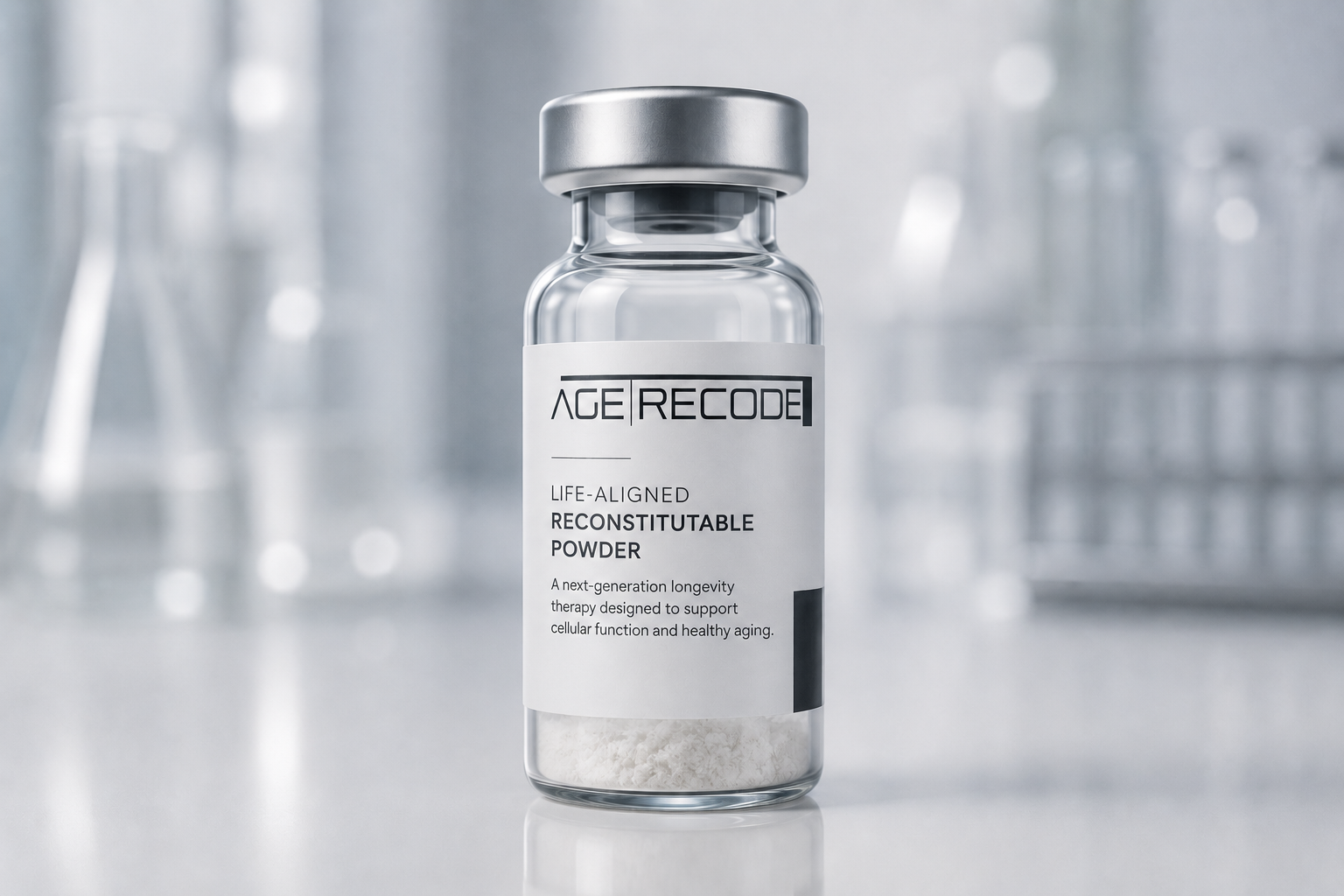
Lypholized poweder requiring reconstitution.
AOD-9604 (Anti-Obesity Drug 9604) is a synthetic 16-amino acid peptide fragment derived from the C-terminal region of human growth hormone. It is highly researched for its potential to stimulate fat breakdown (lipolysis) and inhibit fat storage (lipogenesis) without negatively affecting blood sugar or causing unwanted tissue growth.
Unlike full-length human growth hormone (HGH), AOD-9604 is specifically engineered to target fat metabolism.
-
- Targeted Fat Loss: It upregulates beta-3 adrenergic receptors in fat cells to accelerate energy expenditure and fat oxidation.
- Metabolic Safety: It does not elevate IGF-1 levels, meaning it avoids the typical HGH-related side effects like water retention, joint swelling, or insulin resistance.
- Cartilage Support: Some early studies also suggest it has potential bone and cartilage-stimulating properties.
Dosage and Administration Protocol
While development as an FDA-approved obesity drug was discontinued in 2007 because it failed to show statistically significant weight loss in a Phase IIb trial compared to placebos, it is still frequently studied and offered in medical weight loss and wellness clinics.
-
- Standard Dose: Typical clinical research ranges are between 250-500 mcg (0.25-0.5 mg) administered once daily.
- Administration: It is typically administered via subcutaneous injection into the abdominal fat.
- Fasting Requirement: For optimal efficacy, the injection is usually taken first thing in the morning on an empty stomach. Users are advised to avoid all foods, caloric beverages, and sweeteners for at least one hour before and 30-60 minutes after taking it.
Safety Profile
Availability and Regulation
AOD-9604 is currently not approved by the FDA for therapeutic human use. It is widely sold as a research compound or through specialized hormone replacement and wellness clinics
Reviews
There are no reviews yet.